

Author: Hi, I'm Shivam Gupta, an experienced authority in HR technology and recruitment optimization with over a decade of experience transforming talent acquisition processes across the global market. Also, we are running another software development brand, Pitch N Hire

Recruitment in today's competitive landscape has become increasingly complex and resource-intensive. Modern recruiters face an unprecedented volume of applications—with popular positions now receiving between 200 to 300 applications per role—yet the time available for manual review remains limited. Recruiters spend up to 40% of their time managing communication overhead through endless email chains, status updates, and coordinating between multiple stakeholders across different time zones, rather than actually identifying and engaging quality candidates.
Beyond volume challenges, organizations struggle with misaligned expectations from hiring managers, delayed feedback cycles that cause top candidates to accept competing offers, and the constant pressure to prove recruitment's strategic value amid mounting administrative burdens. These inefficiencies translate into real business costs: poorly defined job requirements increase time-to-hire by an average of 40% and contribute to turnover rates exceeding 30% within the first year of employment.
The challenge intensifies further when considering screening accuracy and candidate quality. With 65% of recruiter time consumed by initial resume reviews, the fundamental question emerges: how can recruitment teams maintain thoroughness while meeting the speed demands of today's talent market?
Want to know more about Applicant Tracking System? Then click here: Book your free demo
The answer lies in intelligent automation. Digital recruitment tools, particularly modern Applicant Tracking Systems, are fundamentally reshaping how organizations approach talent acquisition by shifting focus from administrative tasks to strategic hiring decisions. Rather than serving as simple databases, advanced ATS platforms now function as intelligent partners in the recruitment process, combining artificial intelligence, workflow automation, and predictive analytics to address the core pain points that plague traditional hiring.
Organizations implementing sophisticated ATS solutions report dramatic improvements across every critical metric: hiring cycles compress from the traditional 44-52 days down to 15-20 days, screening accuracy improves substantially, and recruitment teams can screen 250+ applications in under two hours instead of the 15-20 hours manual processes demand. The financial impact proves equally compelling, with organizations saving approximately $15,000 annually per recruiter through task automation while simultaneously improving candidate quality.
This transformation reflects a broader shift in recruitment philosophy—from reactive order-taking to proactive, data-driven talent strategy. Modern ATS platforms eliminate operational friction through intelligent screening, automated interview coordination, and parallel background verification, allowing recruiters to focus their expertise where it matters most: building relationships with quality candidates and advising hiring managers on strategic fit.
Rating: 4.8/5 (Based on 2025 User Reviews)
Pitch N Hire emerges as the next-generation ATS redefining affordable recruitment automation. Combining enterprise-grade AI capabilities with transparent, accessible pricing, it's the clear winner for startups, SMBs, and global teams.
Starter: $49 (one-time) – 200 application capacity | Business: $199 (one-time) – 500 application capacity | Enterprise: Custom quotes for large-scale operations
Company: Mumbai-based FinTech startup, 80+ employees
Challenge: Hiring 12→30+ developers monthly; time-to-hire averaging 60 days; candidate response rates stalled at 22% due to language barriers in tier-II cities
Solution: Deployed Pitch N Hire with multilingual SMS integration and WhatsApp scheduling
Results After 4 Months:
Key Insight: Language localization was the single highest-impact lever—developers in non-metro cities engaged 3x more when communication occurred in regional languages.

Rating: 4.7/5 (G2 Fall 2025 Report – #1 Overall ATS)
Greenhouse maintains its throne as the gold standard for structured, data-driven hiring. With 94% of users rating it 4-5 stars and 98% satisfaction scores, it's the trusted choice for mid-market to enterprise organizations.
Custom Enterprise Pricing – No transparent entry-level tiers. Typically quoted based on employee headcount and feature requirements. Mid-market average: $8,000-$15,000/year
Company: NYSE-listed financial services with 5,000+ employees across North America and Europe
Challenge: Inconsistent hiring quality across geographies; 45-day average time-to-hire; poor diversity metrics in technical roles
Solution: Implemented Greenhouse with standardized interview kits, EEO tracking, and centralized analytics
Results After 6 Months:
Rating: 4.6/5 (G2 2025 – Highest Ease-of-Use Score: 9.0/10)
Workable strikes the best balance of simplicity, affordability, and power. With transparent pricing and intuitive workflows, it's the go-to for mid-market companies and scaling teams seeking quick ROI.
Standard: $189/month | Professional: $389/month | Enterprise: Custom pricing
Company: Elite Construction Solutions, 8-state operation, 150+ field staff
Challenge: Manual, decentralized hiring across locations; 45-day hiring cycle; cost-per-hire $3,400; inconsistent candidate experience
Solution: Adopted Workable's centralized recruiting platform with SMS scheduling and self-service interview booking
Results After 12 Months:

Rating: 4.7/5 (G2 2025 – Top Talent Acquisition Suite)
Lever uniquely fuses ATS with powerful Candidate Relationship Management (CRM). It's the preferred platform for tech companies, scaling startups, and recruiters prioritizing proactive talent sourcing.
Custom Quotes Only – Typically $8-$12 per employee monthly for mid-market. No public pricing or free trial available.
Company: Hugging Face-style AI startup, 120 employees globally
Challenge: Rapid expansion (3x headcount in 12 months); passive candidate sourcing critical for niche AI/ML roles; multiple hiring stages (tech screen, culture fit, executive interview)
Solution: Implemented Lever TRM with AI Interview Companion and nurture automation
Results After 8 Months:

An Applicant Tracking System represents far more than a glorified database for storing resumes. Modern ATS platforms function as comprehensive recruitment operating systems, managing every step of the candidate journey from initial application through hire and beyond. Understanding this evolution helps recruitment professionals leverage these tools effectively.
At its foundation, an ATS collects and organizes candidate information from multiple sources—online application forms, email submissions, job board integrations, and sometimes social media and networking sites. Rather than requiring manual data entry, sophisticated ATS platforms use intelligent parsing to automatically extract relevant information (contact details, skills, experience, education) and structure it into searchable candidate profiles. This single automated step eliminates countless hours of manual work while creating more accurate, comprehensive candidate records.
The system then enables recruiters to organize candidates through customizable pipeline stages that match your unique hiring workflow. Rather than generic stages, modern ATS allows you to define stages specific to your organization: perhaps "Prescreened," "Phone Interview," "Technical Assessment," "Culture Fit Interview," "Offer Pending," or any other progression that reflects your hiring process. Candidates automatically move through these stages as they progress through your hiring workflow.
Communication happens within the system itself. The ATS can send automated emails at predetermined stages—application confirmations, interview invitations, rejection notices—while enabling direct candidate communication through integrated messaging. Interview scheduling integrates with team calendars, eliminating the scheduling coordination that traditionally consumed days. Hiring team members can provide feedback, evaluation notes, and scorecards within the system, creating a comprehensive evaluation record for collaborative decision-making.
Resume Parsing & Candidate Profiling: Modern systems automatically extract candidate qualifications from resumes across multiple formats, creating searchable profiles organized by skills, experience, education, and other relevant factors. This component alone saves dozens of hours in manual data entry while improving data accuracy and consistency across the system.
Workflow Automation & Pipeline Management: Configurable workflows guide candidates through your hiring process, automatically triggering actions at key decision points. When a candidate reaches the "Phone Interview" stage, the system might automatically send interview instructions, schedule a calendar reminder for the recruiter, and notify team members to prepare interview questions.
Communication & Engagement Tools: Centralized candidate communication eliminates scattered email threads and ensures no candidate falls through the cracks. The system manages application confirmations, interview invitations, rejection letters, and ongoing candidate engagement through integrated messaging and email templates.
Collaboration Features: Hiring team members can share evaluation notes, interview feedback, assessment results, and scorecards within the system, ensuring all stakeholders can access the same information and contribute to decision-making. Role-based access controls ensure that sensitive information remains restricted to appropriate team members.
Analytics & Reporting: Rather than requiring manual data extraction, ATS platforms provide dashboards displaying key recruitment metrics: time-to-fill, source-of-hire, cost-per-hire, application-to-hire conversion rates, and candidate pipeline visibility. This data enables identifying bottlenecks and optimizing your recruitment process over time.
Integrations: Modern ATS platforms integrate with job boards, background check services, video interview tools, assessment platforms, and HRIS systems, eliminating manual data entry across systems and enabling smooth transitions from recruitment through onboarding.

The most immediate and tangible benefit of implementing an ATS involves the dramatic reduction in manual, administrative tasks that consume recruiter time. Consider the traditional workflow: resumes arrive via email and multiple job boards, requiring manual downloads and organization. Candidate contact information must be manually extracted and entered. Application completeness and eligibility must be manually reviewed. Interview schedules require email coordination with multiple parties across different time zones. Follow-up communications must be manually composed and sent.
Modern ATS platforms automate these routine tasks completely. Resume parsing extracts candidate information automatically. Application forms can include automated eligibility screening questions that immediately flag candidates who don't meet core requirements. Email communications follow configured templates based on candidate status. Interview scheduling integrates with calendars, automatically finding available times and sending confirmations. Background check workflows can run in parallel to final interviews rather than sequentially, dramatically accelerating the final hiring stages.
The impact compounds across the organization. With automation handling routine coordination, recruiters shift their focus toward genuinely strategic activities: building relationships with quality candidates, providing hiring managers with substantive advice on candidate fit, refining sourcing strategies, and developing employer brand initiatives. Teams report that this shift reduces administrative overhead by 60-75% while improving overall recruitment effectiveness and candidate experience.
Speed and accuracy represent seemingly contradictory goals in traditional hiring—thorough review takes time, while rapid screening often misses qualified candidates presented in non-traditional formats. Modern ATS platforms achieve both through intelligent automation and standardized evaluation processes.
The speed improvements prove dramatic. Organizations implement AI-powered resume screening that instantly identifies and ranks candidates by job fit rather than requiring hours of manual review. Screening 250+ applications takes under two hours in an automated system versus 15-20 hours of manual work. Interview coordination automation reduces what traditionally consumed 5-7 days of back-and-forth scheduling to same-day bookings through direct calendar integration. Background verification runs parallel to final interviews rather than sequentially, compressing total hiring cycles from 44-52 days to 15-20 days.
Accuracy improvements stem from standardized evaluation processes. When all candidates respond to the same screening questions using the same evaluation criteria, unconscious bias decreases substantially. Recruiting metrics show that application-to-interview conversion rates improve from the historical 4-6% range to 12-15% with better screening accuracy and quality matching. Organizations implementing structured evaluation processes report 40% higher candidate acceptance rates and substantially better new hire retention rates compared to traditional intuition-based approaches.
In traditional recruitment, candidate information fragments across multiple systems: email conversations stored in different inboxes, resumes in various folders, interview notes in personal files, assessment results from external platforms, background check documentation from separate services. This fragmentation creates enormous inefficiencies: hiring managers must request candidate details repeatedly, team members review information from different sources creating inconsistent understanding, and opportunities to source from your existing candidate database get missed because accessing that historical information requires searching multiple systems.
A centralized candidate tracking system within your ATS creates a single source of truth. Every candidate's profile includes their resume, application responses, interview feedback from all evaluators, assessment results, communication history, and background check information accessible from one place. Hiring managers can quickly review all available information about a candidate without requesting data from the recruiter. Team members reviewing candidates see consistent information, improving decision quality. More importantly, your existing candidate database becomes searchable and usable for future roles—when an engineering position opens, you can instantly identify software developers who applied for product roles in the past.
This centralization enables several concrete benefits: faster decision-making as all relevant information is immediately accessible, better decisions as hiring managers see complete candidate context, improved candidate experience as communication remains organized and professional, and better talent management as you can identify and nurture promising candidates for future opportunities rather than losing that network after a particular role fills.

The free ATS market has evolved significantly, providing legitimate options for organizations just beginning to leverage recruitment technology. Understanding what free platforms deliver—and their limitations—helps you evaluate whether a free tier aligns with your hiring needs.
Zoho Recruit Free Plan stands out as perhaps the most feature-rich free option. The free version supports one active job posting, includes basic applicant tracking, resume parsing capabilities, and unlimited users (meaning your entire hiring team can access the system without additional licensing). The platform includes job posting to Zoho's network and customizable career site components. For solo recruiters or organizations with a single primary hiring need, Zoho Recruit's free plan provides legitimate ATS functionality without financial investment.
BreezyHR Free Plan emphasizes unlimited capabilities—unlimited users, unlimited applicants, unlimited job postings. If the primary constraint is candidate volume rather than feature sophistication, BreezyHR's unlimited architecture provides competitive advantage. The free plan includes candidate sourcing from social media and even a Chrome extension for sourcing candidate contact information directly from LinkedIn profiles. However, advanced features like video interviews and sophisticated assessments require paid upgrades.
Applicantz offers a 14-day trial without requiring a credit card, AI-powered job posting to over 200 boards, collaborative candidate evaluation, and automation of routine tasks including interview scheduling. The trial period provides sufficient time to evaluate whether the platform's approach to recruitment matches your organizational needs.
OpenCATS, an open-source option, provides unlimited job openings and user access with no licensing costs. The open-source nature means technical teams can customize the system to precise specifications. However, this flexibility requires technical expertise to implement and maintain, positioning OpenCATS better for technically-sophisticated organizations than typical recruitment departments.
While free ATS options provide genuine value for bootstrapped startups and solo recruiters, understanding their limitations prevents costly surprises as your hiring needs grow.
Limited Advanced Features: Free plans almost universally restrict advanced functionality to paid tiers. Video interview capabilities, skills assessments, background check integrations, and sophisticated reporting often require paid upgrades. What appears as a limitation of a "free tier" may actually reflect that these features require additional vendor relationships and per-use costs.
Restricted Customization Options: Free platforms typically impose significant limitations on customization. Your hiring workflow must fit the platform's predefined stages rather than adapting the system to your unique process. Custom application questions might be limited, branded career sites restricted, and integration options constrained. These restrictions hinder scaling as your hiring needs grow more sophisticated.
Limited Support & Implementation Resources: Free platforms typically provide limited support. Documentation might be basic, response times for help requests can stretch to days, and implementation support remains minimal. When you encounter technical issues or need guidance optimizing your workflow, professional assistance may not be readily available.
Scalability Constraints: Free plans establish various artificial constraints that force migration to paid plans as hiring volume grows. Candidate limitations, job posting caps, or user restrictions mean that free ATS works for initial pilots but becomes constraining quickly. Zoho Recruit's free plan, for example, limits you to one active job posting—workable for testing but not for production recruitment.
Data Limitations: Some free platforms limit how long candidate data persists in the system. Zoho Recruit's free plan, for instance, limits candidate history to those added within the last 30 days, preventing you from building an ongoing talent pool for future recruiting. This limitation fundamentally undermines one of ATS's core values—building a searchable database of potential candidates for future roles.
Integration Limitations: Free tiers often restrict access to integrations with background check services, video interview platforms, assessment tools, and HRIS systems. You become trapped in data silos where information in separate systems must be manually transferred—defeating the automation advantage of using an ATS.
The reality: free ATS platforms provide genuine value for very specific use cases—solo recruiters, bootstrap startups with limited hiring volume, or organizations in the early proof-of-concept phase. Once hiring sophistication or volume grows, limitations typically necessitate migration to paid solutions, which means data migration, team retraining, and process reimplementation.
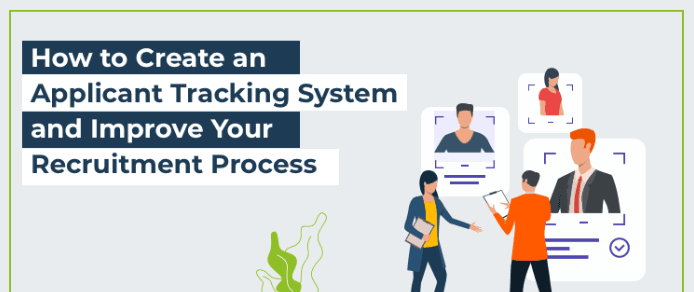
Artificial intelligence has fundamentally transformed how ATS systems process resumes, moving beyond simple text extraction to genuinely intelligent candidate comprehension. Traditional resume parsing uses rule-based systems to identify specific keywords and patterns, achieving 67% accuracy while missing qualified candidates whose resumes use different terminology than job descriptions. Modern AI-powered parsing employs natural language processing algorithms that understand context and synonyms, achieving 94% accuracy compared to rule-based alternatives.
This distinction matters profoundly in practice. A candidate with experience managing "IT platforms" might get rejected by a rule-based system searching for "infrastructure management" because the terminology doesn't match exactly, despite describing essentially the same responsibility. AI parsing understands that these terms describe similar experiences, recognizing the candidate's qualification regardless of specific wording choices. This capability proves particularly valuable when sourcing candidates from underrepresented backgrounds who may describe their experiences differently or possess non-traditional career paths.
Modern AI parsing systems extract not just basic contact information but demonstrate comprehension of candidate capabilities. The system identifies specific technical skills, programming languages, frameworks, and tools. It recognizes different job title variations that describe similar responsibilities. It understands that "project lead" and "engagement manager" represent similar leadership experiences despite different terminology. Relevance becomes apparent even when candidate descriptions don't perfectly match your job posting language.
The accuracy advantage compounds across several dimensions. Resume PDF parsing accuracy reaches 98% for standard formats while handling Word documents, ensuring you capture candidates regardless of submission format. The system successfully parses diverse resume structures from chronological to functional to combination formats. Dates and tenure calculations happen automatically. Skill extraction identifies both explicitly mentioned capabilities and inferred qualifications from described experiences.
This AI advantage extends beyond candidate matching to candidate search functionality. Rather than keyword searches that miss qualified candidates using different terminology, AI-powered search lets you find candidates with specific competencies even when their resumes describe those competencies differently. A search for "AWS infrastructure" might return candidates with "Amazon cloud computing" experience because the AI understands these describe the same capability.
Modern ATS platforms move beyond simple process tracking to actively guide recruitment decisions through intelligent workflow automation. Rather than requiring recruiters to manually decide what happens next at each stage, sophisticated systems anticipate likely next steps and automate routine transitions while flagging decisions requiring human judgment.
Intelligent Routing & Escalation: Sophisticated systems route candidates to appropriate evaluators based on predefined criteria. An engineering candidate with machine learning experience automatically gets routed to the ML team lead for initial screening rather than generic recruiters. A candidate who doesn't meet minimum requirements automatically receives a rejection email rather than consuming recruiter time. A candidate with exceptional qualifications gets highlighted to hiring managers immediately rather than waiting for traditional review cycles. This intelligent routing ensures each candidate receives appropriate attention based on their fit rather than random assignment.
Predictive Next-Action Recommendations: Systems analyze your historical hiring patterns and recommend logical next steps in the process. If your data shows that candidates who complete phone screens within two days have significantly higher acceptance rates, the system recommends scheduling phone screens within that timeframe. If certain assessment types correlate with successful hires, the system recommends candidates complete those specific assessments. These recommendations emerge from your historical hiring data rather than generic best practices.
Candidate Experience Optimization: Workflow automation personalizes the candidate experience based on role and stage. After phone interviews, candidates who advance receive immediate scheduling suggestions for next-round interviews rather than waiting days for recruiter coordination. Candidates who don't advance receive personalized rejection feedback explaining decision rationale rather than generic dismissals. The system sends role-specific interview preparation resources at appropriate stages rather than requiring recruiters to manage this communication manually.
Bottleneck Detection: Rather than requiring manual analysis, automated systems flag process stages where candidates typically stall. If candidates at the "Technical Assessment" stage average 10 days before completion while other stages move faster, the system alerts you to investigate whether assessments are too time-consuming or recruiter communication is insufficient. These insights enable targeted process improvements.
Modern ATS platforms transform raw hiring data into visual dashboards that make recruitment performance immediately apparent. Rather than requiring manual data extraction and spreadsheet calculations, systems display key metrics in real-time, enabling quick identification of improvement opportunities.
Time-to-Hire Visualization: Instead of knowing only that hiring takes "a long time," dashboards show exactly where delays occur. You might discover that applications move quickly to phone screens (2 days average) but stall at the "Technical Assessment" stage for 15 days before moving to interviews. This specificity enables targeted improvement—perhaps assessments take too long to complete or recruitment team members delay scheduling after assessment completion.
Source Effectiveness Tracking: Dashboards show which candidate sources actually produce hires. You might discover that job boards consume recruitment budget while referrals and direct sourcing produce better-quality candidates and faster hiring. This clarity enables budget reallocation toward your most effective sourcing channels.
Conversion Funnel Analysis: Rather than knowing only your total hiring rate, dashboards display conversion rates at each stage. You might convert 25% of applicants to phone screens, 40% of phone screens to technical assessments, but only 15% of assessments to offers. Identifying where conversion rates dip lower than optimal highlights specific stages needing process improvement or candidate quality enhancement.
Quality of Hire Metrics: Beyond speed, dashboards track new hire performance and retention rates by hiring source, recruiting team member, and assessment type. You discover that candidates sourced through employee referrals show 20% better retention than job board candidates, or that candidates who score high on specific assessments consistently outperform those with lower scores. These insights guide future hiring decisions and process refinements.
Predictive Hiring Forecasting: Advanced systems analyze historical data to predict future hiring needs and timelines. If your data shows that job postings average 28 days to fill and applications increase predictably during certain seasons, systems forecast when you'll need additional recruiting capacity or should accelerate hiring for critical roles.
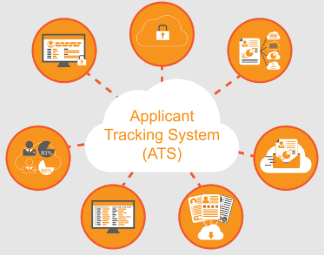
Small businesses operate under fundamentally different constraints than enterprise organizations. A lean team of 2-3 people might manage hiring alongside dozens of other responsibilities. Founder attention remains split between recruitment and daily operational demands. Budget constraints mean every software investment must demonstrate clear ROI. Yet small businesses face remarkably intense competition for talent—they must compete with larger organizations offering more resources while operating with fewer of those same resources.
Without organized systems, small business recruitment devolves into chaos. Applications arrive via email and multiple job boards, sitting in various inboxes. Candidate information fragments across multiple team members' files and sticky notes. Interview scheduling requires dozens of emails coordinating times. Hiring decisions get made informally in hallway conversations rather than documented systematically. When hiring volume increases—even modestly—the system completely breaks down, leading to missed candidates, forgotten follow-ups, and poor decisions made under time pressure.
Implementing an ATS changes this dynamic fundamentally. Suddenly, all candidates exist in one place with complete information immediately accessible. Routine coordination tasks automate rather than consuming founder attention. Hiring workflows document decisions systematically, creating institutional memory rather than relying on individual memory. Most importantly, ATS enables small teams to operate with recruiting efficiency typically associated with organizations many times their size—compressing hiring timelines, improving hiring quality, and freeing founder attention for business-critical activities rather than recruitment logistics.
Small businesses adopting ATS also build organizational infrastructure that supports continued growth. As the business hires its first 5 employees, then 10, then 20, recruiting processes scale smoothly rather than requiring complete system redesign. This infrastructure becomes increasingly valuable as scaling accelerates.
Automated Application Forms & Initial Screening: Rather than manually reviewing hundreds of applications to identify candidates who meet basic requirements, configurable application forms include screening questions. "Do you have experience with Python?" or "Are you authorized to work in the United States?" filter inappropriate candidates automatically, reducing manual review volume significantly. This automation means small teams review only genuinely qualified candidates rather than spending hours eliminating obviously unsuitable applicants.
One-Click Job Posting: Rather than manually posting to multiple job boards, small business owners click once and job descriptions automatically post across dozens of boards simultaneously. This broad distribution reaches far more candidates than a small business could achieve through individual board subscriptions, dramatically expanding the talent pool a small team can access.
Resume Parsing & Automatic Information Extraction: Manual data entry from resumes consumed disproportionate time for small teams with limited administrative support. AI-powered parsing eliminates this entirely. Upload a resume and candidate information automatically populates structured fields—no manual typing required. For busy founders, this savings alone justifies ATS adoption.
Automated Interview Scheduling: Small business owners spend surprising time coordinating interview schedules across team members and candidates with limited availability. Direct calendar integration eliminates this coordination. Candidates select available times directly from hiring team calendars, and confirmations send automatically. What would consume hours through email gets handled in minutes.
Email Template Automation: Rather than composing individual rejection emails or interview confirmations, templates automatically send at appropriate stages with minimal customization required. This ensures consistent, professional communication while eliminating repetitive writing tasks.
Candidate Communication on Autopilot: After receiving an application, candidates automatically receive confirmation acknowledgment. Before scheduled interviews, reminders send automatically. Upon rejection or advancement, candidates receive timely updates. This consistent communication improves candidate experience and prevents the embarrassing silence that leaves candidates wondering about application status.
Mobile Hiring for Busy Entrepreneurs: Small business founders often handle recruitment while traveling or away from offices. Mobile ATS apps enable reviewing candidates, scheduling interviews, and making decisions from anywhere. Interview feedback happens immediately after conversations while details remain fresh rather than delayed until returning to an office.
Cost Scalability: Unlike recruiting agencies (typically costing 15-25% of first-year salary) or hiring consultants (often $10,000+), small business ATS plans start remarkably affordably. Free options exist for very early-stage companies, while paid plans for small teams often cost less than hiring a part-time administrative assistant to manage recruiting manually. As hiring volume grows, costs scale gradually rather than creating budget surprises.

Consider a mid-sized B2B SaaS company with 45 employees that was experiencing rapid growth. The organization needed to hire 12 positions across engineering, sales, and customer success within the next 6 months to meet revenue targets. The recruiting function remained understaffed—one part-time internal recruiter supplemented by ad-hoc hiring responsibilities from department heads who already managed full workloads.
The company had attempted to manage recruitment through Gmail, spreadsheets tracking candidate status, and disparate tools for scheduling and assessments. This fragmentation created significant bottlenecks and frustration for both recruiters and hiring managers.
Slow Initial Screening Process: Applications arrived daily from multiple job boards and the company career website. The part-time recruiter spent 12-15 hours weekly just downloading resumes, extracting candidate information, and checking basic requirements. This manual screening meant genuinely qualified candidates waited 5-7 days for initial review while the recruiter processed applications manually.
Interview Coordination Nightmare: Scheduling engineering interviews involving multiple team members created scheduling chaos. Finding times when an engineering lead, the tech architect, and sometimes the CTO could all meet with a candidate typically required 6-8 emails and took 10+ days. During this delay, candidates often accepted competing offers or lost interest in the position.
Fragmented Information & Decision Making: Candidate information scattered across email, spreadsheets, and individual notes meant hiring managers reviewing the same candidate received different information. One manager might see the candidate's full background while another had only incomplete initial screening notes. Interview feedback from different team members existed in separate files rather than consolidated evaluation records, making hiring decisions based on incomplete information.
Missing Talent Pool Leverage: Previous candidates who didn't fit past positions got lost after rejection. When an engineering role opened, the company had no systematic way to identify software developers who'd applied for product positions previously.
The company selected an ATS platform emphasizing ease of implementation, automation capabilities, and collaborative hiring workflows. Implementation began with configuration of the hiring pipeline reflecting their actual process: Application Review → Phone Screen → Technical Assessment → Culture Interview → Offer.
Resume Parsing & Automated Screening: Candidate applications automatically parsed resumes and populated structured information into candidate profiles. The system sent application confirmations automatically to candidates and requested additional information for incomplete applications. Configuration included automated screening questions filtering for basic requirements (minimum 3 years relevant experience, location eligibility, visa authorization status). These automated filters immediately eliminated obviously unsuitable candidates.
One-Step Job Posting: Rather than manually posting engineering roles to 4+ different job boards, the company used the ATS job posting feature to syndicate openings across its entire network automatically. This expanded candidate reach without additional recruiter effort.
Interview Scheduling Automation: The ATS integrated with team members' calendars. After candidates advanced past phone screens, the system presented open slots for technical assessments. Candidates selected convenient times automatically, and interview confirmations sent immediately with preparation resources. This automation compressed what previously took 10+ days of coordination into a same-day process.
Collaborative Evaluation Features: Interview feedback and evaluation forms within the ATS replaced scattered email and document feedback. Each team member completed structured evaluation questions, seeing their peers' assessments while making their own independent evaluation. This standardized evaluation process reduced unconscious bias—all candidates received the same assessment questions rather than subjective comparisons.
Data-Driven Process Visibility: Real-time dashboards revealed hiring performance metrics. The company discovered that engineering positions averaged 38 days from application to hire versus their 52-day historical baseline. Phone screens with candidates who advanced to offers averaged 4 days after application while previously averaged 8 days. Technical assessment scheduling moved to same-day completion versus their previous 12-day average.
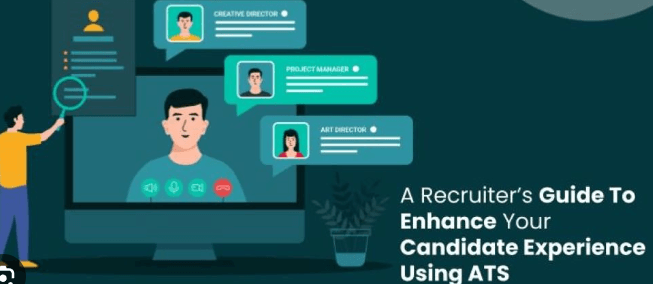
45% Improvement in Time-to-Hire: Total hiring cycles compressed from their previous 52-day baseline to approximately 28 days on average. Engineering positions, their most critical role, improved from 38 days to 18 days—more than 50% faster. This compression meant the company could fill positions before competitors who used slower manual processes.
Recruitment Efficiency Gains: The part-time recruiter spent approximately 75% less time on coordination and data entry tasks. Manual resume review and information extraction decreased from 12-15 hours weekly to approximately 3 hours. Interview scheduling coordination virtually disappeared. This freed recruiter capacity for genuinely strategic activities: candidate relationship building, sourcing initiatives, and hiring manager consultation.
Improved Quality of Hire: Faster time-to-hire meant top candidates got offers before competing organizations completed their initial reviews. Standardized evaluation processes reduced unconscious bias—all candidates received consistent evaluation from the same team members using the same criteria. The company's hiring team reported higher confidence in hiring decisions due to consolidated information and structured evaluation.
Reduced Offer Rejection: Previous offer rejection typically occurred within 2-3 days due to candidates accepting competing offers during the long hiring process. With 18-day cycles for engineering roles, fewer offer rejections occurred since top candidates faced shorter wait times before receiving decisions.
Better Talent Pool Leverage: The company successfully identified 3 candidates from their existing candidate database who'd previously applied for different positions but possessed qualifications for current openings. These candidates, already partially vetted and familiar with the company, converted to interviews and successfully hired into new roles—faster and more efficiently than recruiting entirely new candidates.
Team Collaboration & Institutional Memory: Rather than hiring decisions happening through hallway conversations with no documentation, structured evaluation created institutional memory. The company could review how specific candidates performed in assessments or interviews, identifying patterns in what made successful hires versus those who didn't succeed. This data informed future hiring criteria and assessment selection.
Scalability Foundation: The process improvements and documentation enabled the company to successfully hire 11 of its planned 12 positions within 6 months—meeting aggressive growth targets. The systematic process meant new hiring managers could quickly understand the company's hiring workflow and contribute to collaborative evaluation.

Recruitment managers implementing modern ATS platforms consistently emphasize the transformation in their daily work. Professionals managing substantial hiring volumes report that automation eliminates "the worst parts" of recruitment—endless coordination emails, spreadsheet updates, and basic screening that consumes time without requiring strategic insight.
Experienced recruitment managers highlight that modern ATS success hinges on proper configuration rather than the platform itself. "The technology is just enablement," explains industry veterans who've implemented systems across multiple organizations. "How you configure your pipeline, what data you collect in applications, which fields you prioritize—these decisions determine whether ATS becomes your most valuable tool or just another software subscription consuming budget without delivering value."
Managers also emphasize the cultural shift ATS enables within organizations. When hiring decisions become data-driven rather than based on manager preferences or last impressions, hiring quality typically improves. When all team members see the same evaluation information rather than receiving secondhand summaries, consensus builds more readily. When time pressures decrease because coordination happens automatically, hiring team members actually invest proper thought in candidate evaluation rather than rushing decisions.
HR professionals implementing ATS across diverse organizations report consistent themes: initial implementation requires genuine effort and planning, but properly configured systems deliver substantial value quickly. "You get out what you put in," summarizes HR professionals who've seen successful implementations alongside disappointing ones where organizations deployed systems without proper configuration or team training.
HR teams particularly value the compliance and audit trail capabilities modern ATS provides. "Documenting evaluation decisions systematically proves invaluable if hiring decisions ever face legal scrutiny," explains HR professionals familiar with discrimination allegations or wrongful termination disputes. "When you can show that all candidates received the same evaluation questions and assessment, and scoring followed documented criteria, that creates protection that scattered email and informal feedback never provides."
Small business HR professionals implementing their first ATS express surprise at how much recruiting capability a company of 5 people can achieve with modern platforms. "We went from feeling completely overwhelmed during hiring periods to actually feeling like we had control over our recruiting process," reflects small business practitioners who previously managed hiring through crisis-driven manual processes. "We could see where candidates were in our process, predict when positions would fill, and actually plan rather than just react."
Performance data across the industry reveals consistent themes. Well-configured ATS implementations achieve 40-60% reductions in time-to-hire compared to manual processes, consistently exceeding industry expectations. Organizations implementing AI-powered screening report 75% reduction in initial screening time while improving screening accuracy.
Multiple research efforts confirm that ATS adoption significantly improves candidate experience when implemented properly. Candidates value faster response times, clear communication about process and timing, and professional handling of their applications. "Good ATS implementations actually improve candidate experience," explains recruitment analytics professionals, "because automation ensures nobody falls through the cracks due to recruiter oversight, and consistent communication happens automatically."
Implementation timelines vary considerably based on organizational sophistication and selection of platform complexity. Simple platforms deploy in days to weeks for small organizations, while enterprise implementations might require several months of configuration to match complex organizational requirements. "Time-to-value varies dramatically," explains implementation consultants, "but even complex implementations typically deliver positive ROI within 3-4 months due to recruiting efficiency gains."

Selecting an ATS requires understanding which capabilities directly impact your recruiting success versus those that appear impressive but deliver limited practical benefit. The following features warrant serious consideration:
AI-Powered Resume Parsing & Candidate Matching: Modern ATS platforms should extract candidate information accurately and enable semantic search rather than simple keyword matching. Verify that systems can parse diverse resume formats and accurately identify relevant candidate skills even when terminology differs from your job description language.
Customizable Hiring Workflows: Rather than forcing your recruitment process into predefined stages, platforms should adapt to your unique workflow. Whether your process includes technical assessments, culture interviews, reference checks, or other custom elements, the system should accommodate your specific approach.
Collaborative Evaluation Features: Hiring typically involves multiple decision-makers. Systems should enable structured evaluation from all stakeholders, consolidation of feedback in one place, and evaluation processes that reduce unconscious bias through standardized questions and criteria.
Automated Communication: The system should handle application confirmations, interview invitations, interview reminders, and rejection communications automatically based on configurable workflows. This automation improves candidate experience while freeing recruiter time.
Integration Capabilities: Your ATS shouldn't exist in isolation. Verify integration with your preferred job boards, calendar systems for interview scheduling, assessment tools, background check services, and ideally your HRIS system for seamless new hire transition.
Reporting & Analytics: Real-time dashboards should display key hiring metrics including time-to-fill, source-of-hire, cost-per-hire, and conversion rates at each stage. Data-driven insights enable continuous process improvement.
Mobile Accessibility: Increasingly, hiring team members need to review candidates and make decisions while away from desks. Mobile apps should provide functionality comparable to desktop experience rather than requiring specific role assignments.
Performance & Reliability: ATS platforms store critical business information and run core recruitment processes. Systems should demonstrate enterprise-grade reliability with documented uptime commitments, regular backup protocols, and disaster recovery plans. Request references from customers using the platform at your likely scale.
Integration Breadth: Beyond basic integrations, evaluate whether the platform connects with your preferred job boards, HR tools, and specialized recruiting solutions. Limited integration options create data silos and perpetuate manual data entry that defeats ATS benefits.
Scalability: Small business ATS should support growth from current hiring volume to significantly increased volume without platform migration or major reconfiguration. Verify whether pricing scales smoothly or if tier increases create significant budget jumps.
Customer Support Quality: Implementation support, technical troubleshooting, and strategic guidance all matter significantly. Evaluate support responsiveness, support channel availability (phone, chat, email), and whether support tiers align with your likely use complexity. "Cheap support leads to expensive mistakes," explains recruiting professionals who've experienced poor implementation.
Ease of Use: You want powerful functionality, but only if your team will actually use it. Evaluate whether the platform requires extensive training or users can intuitively navigate and configure workflows independently. Request trial periods and involve actual users in evaluation before purchasing.

The evolution of ATS platforms increasingly incorporates predictive analytics that forecast hiring outcomes before they occur. Rather than analyzing what already happened, next-generation systems predict which candidates will succeed in specific roles based on historical performance data, which candidates will decline offers, and which candidates will stay longer than two years versus those likely to leave quickly.
This predictive capability emerges from analyzing your organization's actual hiring history. Which candidates who scored high on specific assessments eventually succeeded in roles? Which assessment or interview results correlated with poor performance? Which candidates from certain sources demonstrated higher retention rates? Advanced systems identify these patterns and apply them to new candidates, essentially learning from your organization's hiring experience over time.
The practical applications prove substantial. Rather than offering a position to candidate A because their interview impressed you most, predictive analytics might reveal that candidates with similar profiles to your most successful hires possess specific competencies that candidate A lacks. This data-driven guidance helps hiring managers make better decisions than intuition alone provides.
Video interview technology has evolved from simple recordings to AI-powered assessment systems that evaluate candidate competencies during interviews. These systems analyze not just what candidates say but how they say it—communication clarity, confidence levels, problem-solving approaches, and behavioral indicators of culture fit. This represents genuine advancement beyond simple video recording that requires humans to review extensive footage.
AI interview assistants conduct fully automated first-round interviews, collecting competency data that helps screening teams focus deeper interviews on candidates who demonstrate relevant capabilities. Advanced systems provide candidates with interview preparation resources, conduct interviews at times convenient for candidates, and provide standardized evaluation across all candidates for a specific role.
The fairness implications prove significant. When all candidates receive the same questions evaluated using the same criteria without interviewer bias, hiring decisions become more merit-based. Organizations implementing AI interview assistants report 30-40% improvements in quality-of-hire indicators and measurable decreases in hiring bias.
Rather than requiring recruiter involvement in every candidate communication, sophisticated chatbots handle routine candidate questions 24/7. Candidates ask about application status, interview timing, compensation ranges, or benefits information and receive immediate responses without recruiter involvement. This constant availability improves candidate experience while freeing recruiters from repetitive answer provision.
Chatbots also handle candidate qualification screening through conversational interfaces that feel more natural than application forms. Rather than completing rigid forms, candidates answer screening questions conversationally. The system qualifies candidates and routes them appropriately within recruiting workflows, with human recruiters engaging only when genuine relationship-building or complex questions require human attention.

The recruitment landscape has fundamentally shifted. Organizations competing for top talent in 2026 require recruitment processes that match the speed and sophistication of their competitors. Manual, spreadsheet-based hiring cannot compete with organizations deploying intelligent ATS platforms that screen candidates faster, schedule interviews immediately, and make data-driven decisions rapidly. Candidates evaluating competing offers rarely wait weeks for hiring decisions—they accept the first compelling offer they receive, meaning organizations with faster hiring typically win talent wars.
Beyond speed advantages, modern ATS platforms enable better hiring decisions through standardized evaluation processes, consolidated information access, and data-driven insights. Organizations using intelligent screening systems demonstrate higher quality-of-hire ratings, better new hire retention, and improved engagement from distributed hiring teams. The combination of speed and quality advantage means digital recruitment adoption isn't optional—it's increasingly essential for competitive recruitment success.
Small businesses particularly benefit from ATS adoption because these tools compress the efficiency gap between lean startups and large organizations. A small team using modern ATS can execute hiring processes as efficiently as organizations many times their size, enabling them to compete effectively for quality talent despite resource constraints.
Choosing an ATS involves evaluating your specific organizational needs rather than selecting the "best" platform universally. Enterprise organizations requiring extensive customization and deep integrations need different solutions than startups prioritizing rapid deployment and affordability. B2B SaaS companies hiring primarily technical roles need different capabilities than staffing agencies managing high-volume hiring across diverse roles.
The selection process should involve honest assessment of your current recruiting challenges. Are you struggling with candidate volume that exceeds manual screening capacity? Implement systems with strong AI-powered parsing and automated screening. Does interview coordination consume excessive time? Prioritize platforms with excellent calendar integration and scheduling automation. Are hiring decisions inconsistent or biased? Look for collaborative evaluation features and standardized assessment capabilities.
Implementation excellence matters as much as platform selection. Properly configured systems deliver tremendous value; poorly implemented systems become expensive software consuming budget without delivering benefits. Invest time in thoughtful workflow configuration, team training, and champion development before declaring implementation complete.
The future of recruitment belongs to organizations that successfully combine human expertise—relationship building, judgment about cultural fit, strategic guidance—with intelligent technology that handles coordination, screening, and data analysis. An ATS isn't replacing recruiters; it's liberating recruiters from administrative constraints so they can focus on genuinely strategic talent acquisition activities. This combination of human insight and technological enablement creates recruitment processes that simultaneously move faster, make better decisions, and provide superior candidate experiences.